Just How a Veterinary Oncologist Can Aid Improve Your Pet dog's Top quality of Life
Veterinary oncologists focus on the medical diagnosis and treatment of cancer cells in family pets, playing an important role in boosting their lifestyle. They produce tailored therapy strategies that address the distinct requirements of each pet. Through advanced diagnostics and targeted therapies, these professionals aim to handle signs and symptoms properly. The trip does not finish there. Checking out the full spectrum of care options reveals even more regarding how these professionals can make a significant distinction.
Comprehending the Function of a Vet Oncologist
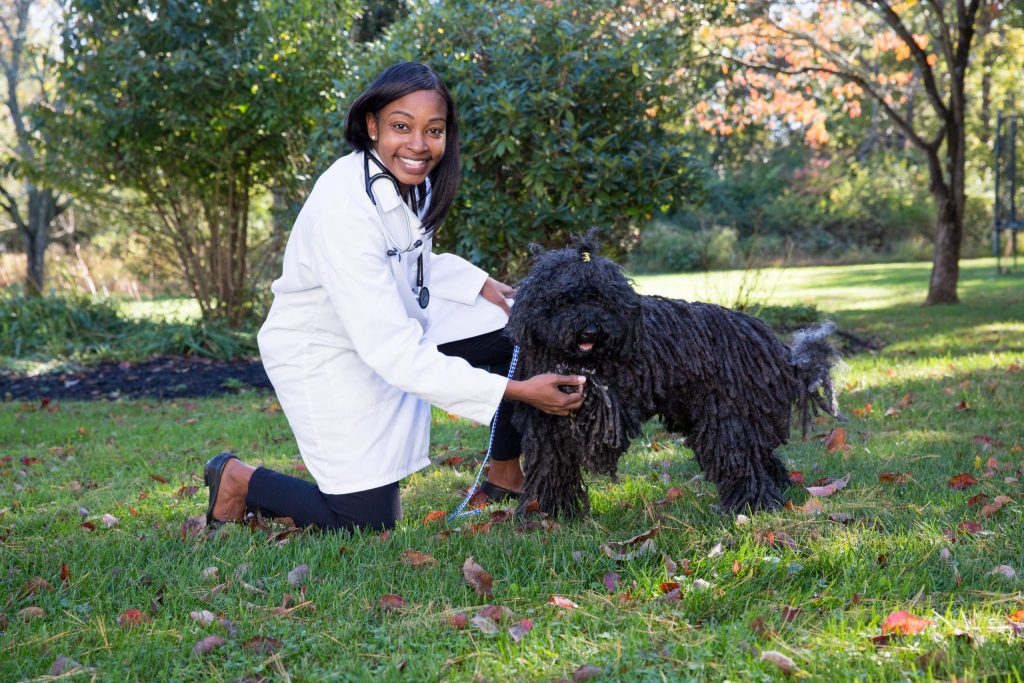
Along with diagnosis, vet oncologists develop complete therapy methods tailored to the requirements of each family pet. These strategies might include radiation treatment, radiation treatment, and medical interventions, aimed at not just extending survival however also improving the total quality of life. In addition, they give palliative care, concentrating on pain management and comfort for animals dealing with terminal diagnoses. By working together with family pet owners, veterinary oncologists ensure that family pets receive the most efficient and compassionate treatment possible during their cancer trip.
Customized Therapy Strategies for Your Animal
When a pet dog is detected with cancer cells, establishing a customized treatment strategy comes to be important for addressing their distinct demands and conditions. A vet oncologist thoroughly assesses the kind of cancer cells, its phase, and the general health and wellness of the family pet. This thorough assessment permits the development of a tailored strategy that may include a mix of radiation, surgical procedure, and chemotherapy treatment.
The oncologist additionally considers the pet dog proprietor's preferences and way of life, ensuring that the plan aligns with their objectives for their family pet's treatment. Veterinary Oncologist. Treatment plans are not static; they are frequently reviewed and readjusted based on the animal's feedback and any type of emerging requirements. By concentrating on personalized care, vet oncologists aim to boost the effectiveness of therapies while maintaining the animal's high quality of life. This personalized method fosters a better understanding of the illness, empowering family pet proprietors to make enlightened decisions regarding their beloved buddies' wellness
Managing Signs And Symptoms and Negative Effects
Managing the symptoms and adverse effects of cancer cells therapy is a vital component of veterinary oncology. Veterinary oncologists use a range of methods to ease discomfort and enhance the total well-being of family pets undertaking treatment. This might consist of making use of anti-nausea medications to deal with throwing up and loss of hunger, which prevail negative effects of chemotherapy. Pain management is likewise prioritized, typically including the prescription of analgesics tailored to the animal's specific demands.
On top of that, oncologists might advise dietary modifications, incorporating top quality, easily digestible foods to sustain nutritional intake. Monitoring blood work is important to discover any negative responses to treatment early, permitting for prompt treatments. Regular follow-ups make it possible for the veterinary group to analyze the family pet's action to therapy and make essential imp source changes. With these detailed approaches, vet oncologists intend to boost the high quality of life for pets facing cancer cells therapy obstacles.
Palliative Care and Convenience Actions
Palliative treatment plays a crucial function in improving the lifestyle for pet dogs identified with cancer, concentrating on comfort and psychological support rather than medicinal therapy. Veterinary oncologists focus on pain administration, ensuring that animals experience marginal pain during their illness. This includes the use of anesthetics, anti-nausea medicines, and various other treatments customized to specific needs.
In enhancement to medicinal interventions, ecological adjustments can significantly boost an animal's lifestyle. Creating a calm, comfy room with soft bedding and easy accessibility to food and water can minimize stress and anxiety. Nutritional support is also essential; oncologists may recommend customized diets that accommodate the family pet's needs and choices.
Emotional assistance for both the animal and its proprietors is this page critical. Veterinary oncologists give guidance on coping methods, helping family members navigate the emotional obstacles that go along with a cancer cells medical diagnosis. Ultimately, palliative treatment goals to ensure that animals obtain the self-respect and convenience they are entitled to.
Working together With Your Routine Vet
Partnership with a regular vet is essential for maximizing the treatment of pet dogs with cancer cells, as this partnership guarantees a complete technique to therapy and lifestyle. The routine vet generally has a thorough understanding of the pet dog's case history, which is vital when formulating a treatment plan. They can properly interact with the veterinary oncologist, making certain that all facets of the pet's health are taken into consideration.
This partnership allows for coordinated care, which might consist of normal exams, monitoring negative effects, and changing medications as needed. Routine vets can likewise supply psychological support to pet dog proprietors, assisting them browse the intricacies of cancer treatment - Board Certified Veterinary Oncologist. By working closely with vet oncologists, they can promote a seamless change between various kinds of treatment, guaranteeing that pet dogs get the most reliable treatments while maintaining their comfort and wellness throughout the procedure. With each other, they improve the overall top quality of life for animals look at this web-site dealing with cancer
Often Asked Questions
What Kinds of Cancers Do Veterinary Oncologists Generally Deal With in Pet Dogs?
Veterinary oncologists commonly deal with numerous cancers cells in animals, including lymphoma, pole cell lumps, osteosarcoma, and soft cells sarcomas. These specialists utilize innovative diagnostic techniques and therapy choices to address the specific requirements of each pet.
Just How Can I Prepare My Pet Dog for a Vet Oncology Consultation?
Preparing a family pet for a veterinary oncology appointment involves event clinical records, keeping in mind signs and symptoms, and preparing concerns. Guaranteeing the animal is tranquil and comfy during travel can likewise considerably boost the total experience and assessment efficiency.
Are There Any Type Of Alternate Therapies for Family Pets With Cancer?
Alternate therapies for pet dogs with cancer typically consist of acupuncture, organic medication, and nutritional support. These strategies may complement standard therapies, possibly improving overall well-being and offering encouraging treatment during the animal's cancer cells trip.
How Often Should My Family Pet See the Veterinary Oncologist?
The frequency of sees to a veterinary oncologist typically depends upon the family pet's certain problem and therapy strategy. Routine analyses may be advised every couple of weeks or months to monitor progression and adjust treatments accordingly.
What Prices Are Associated With Vet Oncology Providers?
Expenses related to vet oncology services can vary extensively, including first consultations, analysis tests, therapy plans, and continuous treatment. Pet Cancer Surgery. Pet dog proprietors need to plan for prospective expenditures that mirror the complexity and duration of the treatment required
Veterinary oncologists specialize in the diagnosis and treatment of cancer cells in animals, playing an important function in improving their top quality of life. Numerous pet proprietors may not be acquainted with the details of vet oncology, comprehending the role of a veterinary oncologist is necessary for taking care of cancer cells in animals. The oncologist likewise thinks about the pet owner's preferences and way of living, making sure that the strategy lines up with their goals for their animal's care. By concentrating on customized treatment, veterinary oncologists aim to improve the performance of treatments while keeping the pet dog's quality of life. By working carefully with vet oncologists, they can facilitate a smooth shift in between different types of care, guaranteeing that family pets obtain the most efficient treatments while preserving their convenience and wellness throughout the procedure.